
Key Takeaways:
- Innovative healthcare instructional strategies such as simulation, problem-based learning, flipped classrooms, and interprofessional education offer measurable competency development and clinical readiness.
- Data-informed active learning models enable universities to personalize instruction, identify learning gaps earlier, and make evidence-based decisions that improve student outcomes.
- The Tiber Health MSMS curriculum demonstrates how institutions can adopt a scalable, technology-enabled approach that integrates these strategies into a cohesive, outcomes-focused medical sciences program.
In an era of rapid transformation in health professions education, universities must embrace pedagogical innovations that prepare learners to think critically, act collaboratively, and adapt to evolving clinical environments. Traditional lecture-based models are giving way to instructional strategies that foster deeper engagement, practical skill acquisition, and measurable outcomes.
Below, we explore key instructional approaches proven to enhance healthcare education and better prepare students for real-world practice.
Simulation-Based Learning: Bridging Theory and Practice
Simulation has long been a cornerstone of health sciences education. In simulations, institutions offer safe, controlled environments in which learners practice clinical skills without risk to patients.
Today, technology-enhanced sim environments can include high-fidelity mannequins that respond physiologically to student interventions and virtual patients—interactive computer-based cases that require clinical decision-making and diagnostic reasoning. These tools help students build competence through repetition, reflection, and feedback while reducing errors in real practice.
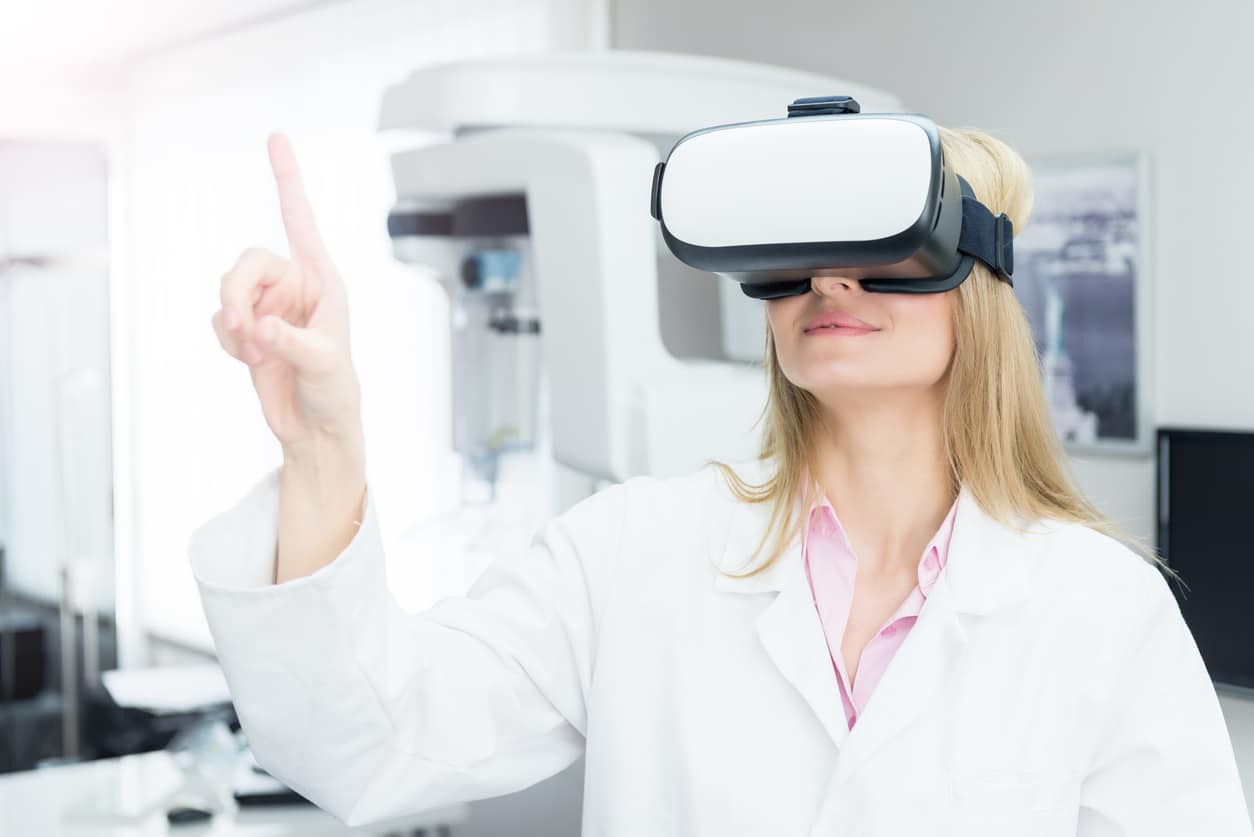
Advancements in virtual reality (VR) are further elevating simulation by offering immersive experiences that improve confidence and experiential learning outcomes. For example, one study found that VR environments for neonatal resuscitation training have shown increased learner engagement and perceived usefulness versus traditional methods.
Problem-Based Learning (PBL): Cultivating Clinical Reasoning
Problem-based learning (sometimes also called case-based learning) challenges students to apply what they know. Rather than memorizing facts, learners work through authentic clinical problems in small groups, fostering critical thinking, diagnostic reasoning, and self-directed study.
PBL encourages students to identify what they need to learn, to adapt knowledge to real-world contexts, and to collaborate with peers—skills that mirror the complexities of clinical practice. This active learning model consistently supports deeper understanding compared to lecture-based instruction alone.
Flipped Classrooms: Active Time for Higher-Order Thinking
The flipped classroom inverts the traditional learning sequence by delivering core content—for example, through readings or video lectures—before class. In-class time is then dedicated to application, discussion, and problem solving.
This strategy shifts learners from passive recipients of information to active participants who engage in collaborative tasks that reinforce understanding and transfer knowledge to practice. Research in medical education highlights improved engagement and deeper learning with thoughtfully designed and supported flipped models.
Analytics-Driven Learning: Personalized Insights and Adaptive Support
Digital learning platforms equipped with analytics provide powerful tools for assessing learner progress and tailoring instruction. Learning analytics track student performance on assessments, engagement patterns, and competency development across domains.
This data enables educators to identify gaps early, personalize remediation, and optimize curriculum pacing. Analytics support evidence-based decision-making on both the learner and program levels, ensuring that institutional goals align with student success.
Interprofessional Education (IPE): Preparing for Collaborative Practice
Modern healthcare is inherently collaborative, requiring effective communication and teamwork across disciplines. Interprofessional education brings learners from medicine, nursing, pharmacy, social work, and allied health together to build shared competencies.
IPE learning experiences such as case discussions, team-based simulations, and collaborative projects strengthen understanding of professional roles and enhance problem solving. Researchers continue to integrate technology to enhance IPE. For example, a team from Florida and Georgia has developed immersive simulations that allow synchronized interactions among professions, mirroring the complexity of clinical teamwork.
Integrating Innovation with the Tiber Health MSMS Curriculum
The Master of Science in Medical Sciences (MSMS) curriculum offered by Tiber Health incorporates several of these innovative healthcare education strategies. Designed as a complete, analytics-powered digital curriculum, the MSMS combines adaptive learning technologies with dynamic instructional design to optimize student outcomes.
Partner institutions receive a fully developed LMS-based curriculum that emphasizes self-directed preparation through expert-created materials. Then, students use class time to engage in group discussions, clinical scenario breakdowns, and formative feedback loops. Rather than relying solely on traditional lectures, the program leverages data-influenced experiential learning and advanced analytics to support personalized learning pathways and improve performance on professional exams and clinical readiness.
By integrating simulation components, active learning pedagogies, analytics-informed support, and collaborative engagement, the MSMS curriculum aligns with best practices in contemporary healthcare education—helping universities expand offerings while equipping future healthcare professionals with the skills needed to excel in practice.
Additional Reading and Resources:
- Cutting-Edge Teaching Strategies in Medical Education – Michigan Instruments
- Innovations in Medical Education: new Ways to Engage the Learner – UMass Chan Medical School
- Innovative Teaching Methods in Health Professions Education: Engaging the Next Generation of Healthcare Professionals – Mass General Health Institute of Health Professions