Predictive analytics is transforming medical education by helping educators identify students who need support earlier, personalize learning pathways, and improve academic outcomes. At Tiber Health Innovation (THI), predictive analytics is built into our educational technology platform, giving universities actionable insights that help students succeed in rigorous pre-medical and medical education programs.
Below are answers to some of the most common questions about predictive analytics in medical education and how THI’s analytics platform supports students, faculty, and institutions.
What is predictive analytics?
Predictive analytics is the use of historical data, statistical modeling, and machine learning to forecast future outcomes. In education, predictive analytics analyzes patterns in student performance, engagement, attendance, assessments, and learning behaviors to identify students who may need additional support before problems become significant.
Rather than waiting until final exams reveal a struggling student, predictive analytics enables institutions to intervene early and improve the likelihood of academic success.
Why is predictive analytics important in medical education?
Medical education is academically demanding, and students often need timely support to stay on track. Predictive analytics helps educators move from reactive advising to proactive intervention.
Benefits include:
- Earlier identification of academically at-risk students
- More personalized academic advising
- Improved student retention
- Better preparation for licensing examinations
- More effective allocation of faculty support resources
- Data-informed curriculum improvements
How does predictive analytics differ from traditional student performance reports?
Traditional reports show what has already happened, such as exam scores or course grades. Predictive analytics goes further by identifying patterns that indicate what is likely to happen next. By combining multiple data sources, predictive models estimate future academic performance and alert faculty when intervention may improve student outcomes.
What types of student data are used in predictive analytics?
The types of data used will depend on how the analytics platform is designed. Common data points may include:
- Quiz and exam performance
- Attendance
- Assignment completion
- Learning management system activity, including engagement with videos
- Participation in classroom activities
- Practice assessments (e.g., mock MCATs)
- Historical student outcomes
When analyzed together, these data points create a more complete picture of each student’s progress than grades alone.
Can predictive analytics improve student retention?
Yes. One of the biggest advantages of predictive analytics is its ability to identify students who show early warning signs of academic difficulty or disengagement.
Instead of discovering problems after a failed course or withdrawal, faculty can provide tutoring, advising, study strategy coaching, or additional academic resources while there is still time to make a meaningful difference. Research and institutional experience have shown that early intervention can improve student retention and completion rates.
Does predictive analytics replace faculty advising?
No. Predictive analytics offers several advantages for faculty, but it doesn’t replace them. Analytics provides objective, data-driven insights that help advisors understand where students may be struggling. Faculty members still make decisions about mentoring, coaching, academic planning, and student support.
Think of predictive analytics as an early warning system that helps advisors focus their expertise where it can have the greatest impact.
How does THI use predictive analytics?
The THI Analytics Suite continuously analyzes student performance throughout the curriculum to identify learning patterns and predict future academic outcomes.
Instead of relying on a single examination, the platform evaluates thousands of student data points collected during coursework, including assessments, engagement metrics, and learning activities. These insights help faculty identify students who may benefit from additional support long before final grades are posted.
What makes the THI Analytics Suite different?
Unlike traditional reporting dashboards, the THI Analytics Suite is designed specifically for rigorous health sciences education. Key capabilities include:
- Continuous performance monitoring
- Predictive modeling based on historical student outcomes
- Real-time risk identification
- Topic-level performance analysis
- Personalized student performance insights
- Faculty dashboards for proactive intervention
Because the platform is built around medical education, its analytics align closely with the competencies and knowledge students need to succeed in professional health programs.
How early can THI identify students who may need additional support?
Because the platform continuously collects and analyzes learning data throughout the program, faculty can receive early alerts when performance trends begin to change. Rather than waiting for midterms or final exams, instructors can recognize concerning patterns early enough to offer tutoring, mentoring, or academic coaching before students fall significantly behind.
How does THI’s Analytics Suite help faculty support students?
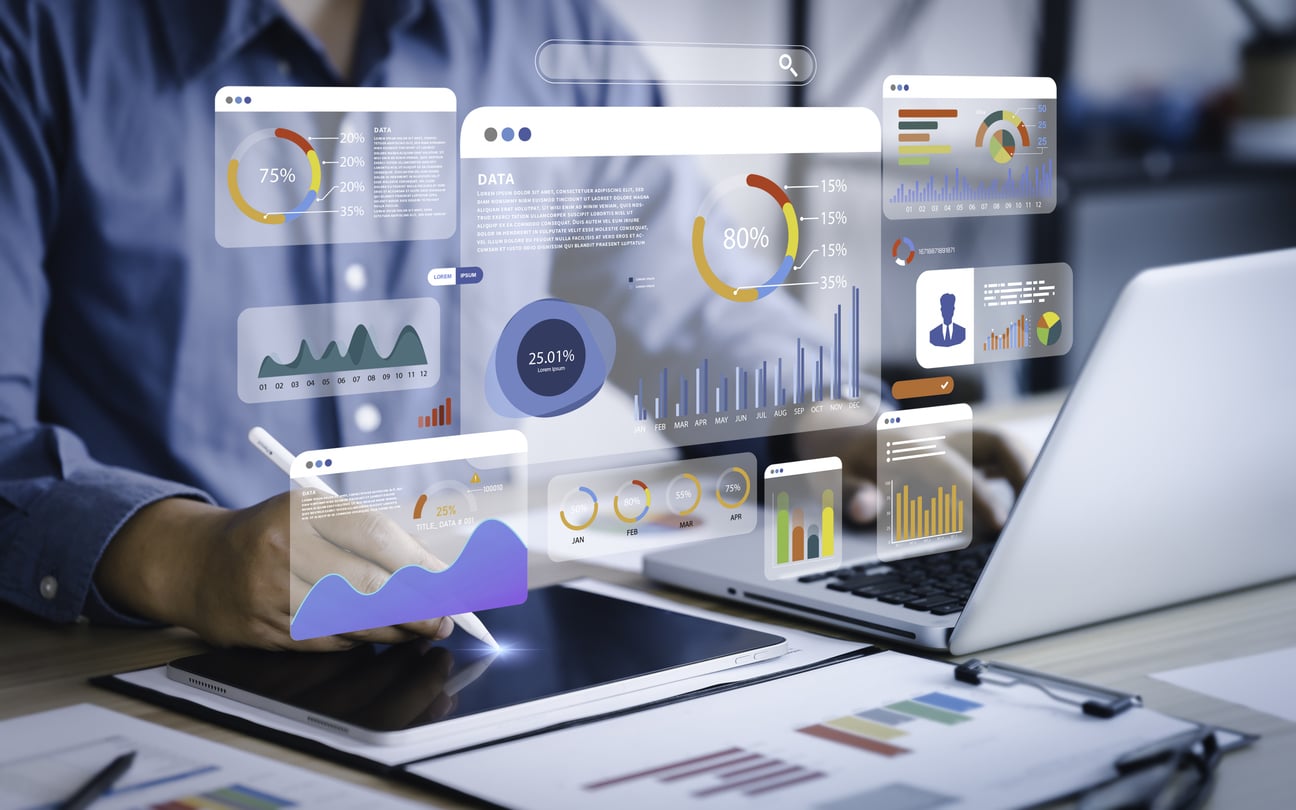
The THI Analytics Suite gives instructors and advisors access to dashboards that highlight student progress, performance trends, and topic-specific strengths and weaknesses.
This allows faculty to:
- Prioritize outreach to students who need assistance
- Personalize advising sessions
- Recommend targeted study strategies
- Monitor improvement following interventions
- Better understand overall class performance
Instead of relying solely on intuition, faculty gain objective insights that support more informed academic advising.
Can predictive analytics improve curriculum design?
Yes. Aggregated analytics can reveal which concepts consistently challenge students, where learning gaps occur, and how instructional changes affect outcomes.
Institutions can use these insights to refine curriculum design, improve instructional materials, strengthen assessment strategies, and continuously enhance student learning experiences.
What institutional benefits does predictive analytics provide?
For universities, predictive analytics can support:
- Higher student retention
- Improved progression rates
- More effective academic advising
- Better use of student support resources
- Stronger educational outcomes
- Data-driven program evaluation
These improvements can enhance both student success and institutional performance over time.
Who can benefit from THI’s predictive analytics platform?
THI Analytics is designed for universities and health sciences programs that want to improve student outcomes through data-informed education. The platform is particularly valuable for institutions seeking to:
- Identify at-risk students earlier
- Improve retention
- Strengthen advising
- Support student readiness for professional health programs
- Make evidence-based academic decisions
By combining predictive analytics with innovative curriculum delivery and personalized support, THI helps institutions create learning environments where more students can achieve their academic and professional goals.
Ready to Learn More?
Get deeper insight into how a predictive analytics-powered MSMS curriculum can help your institution expand its graduate healthcare offerings and better support your students. Schedule a demo today.